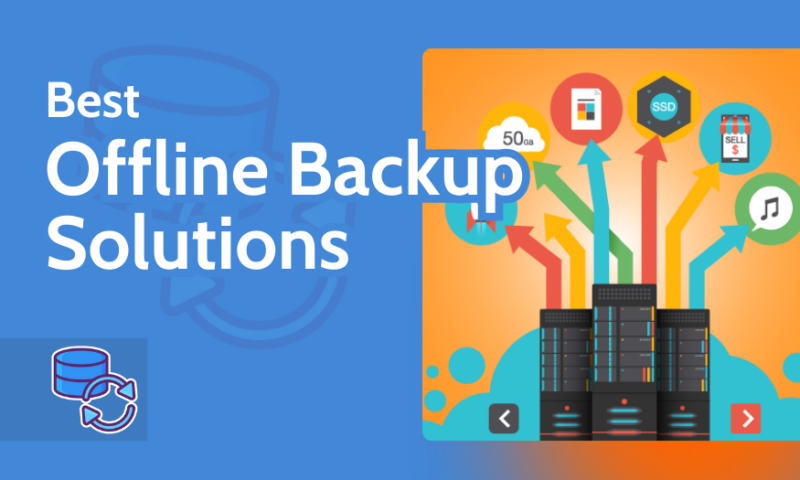
Why Every Business Needs a Backup Solution: Protecting Your Digital Assets
In today's digital landscape, where data breaches and system failures are increasingly common, having a backup solution is not merely an option, but a necessity for every business. A well-implemented backup strategy ensures that critical data—such as customer information, financial records, and intellectual property—is securely stored and easily retrievable. Without these measures, businesses risk losing thousands, if not millions, of dollars in revenue, productivity, and credibility. Moreover, in the unfortunate event of data loss, companies may face legal repercussions for failing to protect sensitive information.
Investing in a robust backup solution not only safeguards your organization against unforeseen catastrophes but also promotes business continuity. Effective backup systems typically include
- Regular automated backups
- Off-site storage
- Data encryption
- Easy recovery processes
Counter-Strike is a popular tactical first-person shooter game that emphasizes team-based gameplay. It has various versions, with Counter-Strike: Global Offensive being the most played. Players can choose to play as either terrorists or counter-terrorists, completing objectives such as bomb defusals or hostage rescues. Additionally, for gamers looking to enhance their gaming setup, it’s worthwhile to consider the Top 10 external ssds for mac for better performance and loading times.
The Ultimate Guide to Backup Solutions: Types, Benefits, and Best Practices
In today's digital age, having a reliable backup solution is crucial for safeguarding your data. There are several types of backup solutions available, each catering to different needs. Among the most common are full backups, which create a complete copy of all data; incremental backups, which only save changes made since the last backup; and differential backups, which save changes since the last full backup. Understanding the differences between these types will help you make an informed decision that suits your requirements.
The benefits of implementing a robust backup solution go beyond mere data recovery. A good backup plan protects your business from unexpected disasters, ensures compliance with data security regulations, and provides peace of mind knowing your information is secure. To maximize the effectiveness of your backup strategy, follow these best practices: regularly test your backups to ensure they are functional, store backups in multiple locations, and maintain an updated inventory of all backed-up data. By following these guidelines, you can significantly reduce the risk of data loss and enhance your overall data management strategy.
What to Look for in a Backup Solution: Key Features You Can't Ignore
When considering a backup solution, it's essential to focus on features that ensure your data's safety and accessibility. One key feature to look for is data encryption. This feature protects your sensitive information from unauthorized access, safeguarding it during storage and transmission. Additionally, make sure the solution offers automated backups, which can save you time and reduce the risk of human error. Another vital aspect is the restore options; choose a solution that allows you to recover data quickly, whether it's a whole system or specific files.
Scalability is another critical feature, as your backup solution should grow alongside your data needs. Opt for a solution that provides cloud storage, enabling access from anywhere while also offering flexible options for local backups. Don't forget to consider the customer support and user-friendly interface of the backup solution. Reliable support ensures you can resolve issues promptly, while an intuitive interface can simplify your backup management, making it easier to monitor and manage your backups effectively.