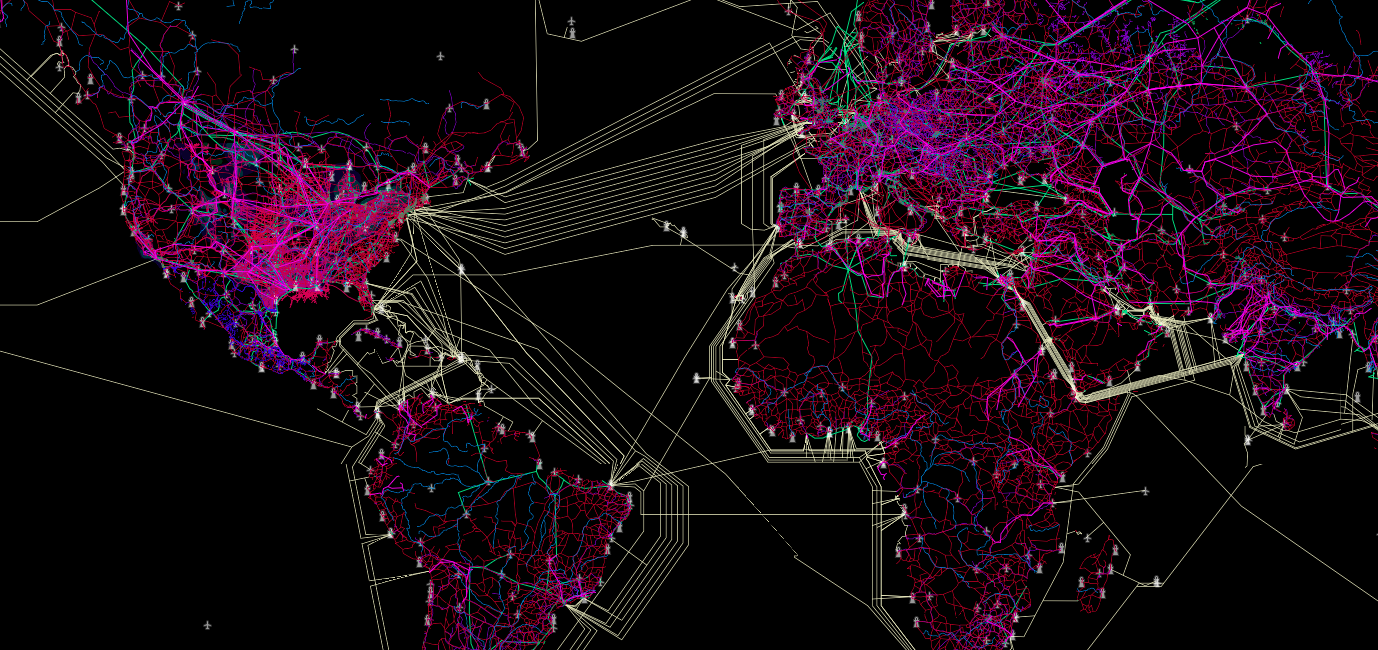
How Digital Connectivity Shapes Our Daily Interactions
In today's fast-paced world, digital connectivity is revolutionizing the way we interact with one another. From social media platforms to instant messaging apps, the ability to connect with others at any time, from any place, has transformed our daily communications. This ongoing transformation has not only made it easier to stay in touch with family and friends but has also enabled us to build new relationships and networks globally. Digital connectivity fosters collaboration and engagement across diverse groups, breaking down geographical barriers and allowing for shared experiences that were once deemed impossible.
However, with the benefits of digital connectivity come certain challenges that affect our interpersonal relationships. Studies have shown that while online interactions can supplement our social lives, they may also lead to a decline in face-to-face communication. This shift raises concerns about authenticity in our interactions, as people may curate their online personas to a degree that does not represent their true selves. Moreover, reliance on digital platforms can sometimes result in feelings of isolation, highlighting the necessity of striking a balance between virtual connections and real-world interactions.
Counter-Strike is a popular tactical first-person shooter game that pits teams of terrorists against counter-terrorists in various objective-based scenarios. Its strategic gameplay and community-driven esports scene have made it a staple in competitive gaming. For those looking to enhance their gaming experience, check out the Top 10 mac accessories for creators that can help improve your setup.
The Impact of Virtual Communication on Real-World Relationships
The rise of technology has significantly transformed the way we communicate, leading to a proliferation of virtual communication tools. From social media platforms to video conferencing applications, these technologies allow us to connect with others regardless of geographical barriers. However, while these advancements have made it easier to stay in touch, they have also raised questions about their impact on real-world relationships. Research indicates that while virtual interactions can enhance connectivity and facilitate an exchange of ideas, they may also lead to superficial connections, undermining the depth and intimacy that traditional face-to-face interactions provide.
Moreover, the reliance on virtual communication can create challenges in developing meaningful bonds. For instance, non-verbal cues, which play a crucial role in understanding emotions, are often absent in digital interactions. This absence can lead to misunderstandings and a decreased sense of belonging in real-world relationships. To foster deeper connections, it’s essential to find a balance between digital engagement and personal interactions, ensuring that technology complements rather than replaces genuine human connection.
Bridging the Divide: Strategies for Balancing Digital and Physical Presence
In today's fast-paced world, balancing digital and physical presence is crucial for individuals and businesses alike. With the rise of social media, e-commerce, and online interactions, we often find ourselves immersed in the virtual realm, sometimes at the expense of real-world connections. To bridge this divide, it is vital to adopt strategies that enhance our offline engagements while maintaining an active online presence. For instance, consider hosting community events or workshops that encourage in-person interactions, allowing you to foster relationships that might otherwise remain superficial online.
Moreover, creating a harmonious blend of both worlds requires a strategic approach to marketing and communication. Businesses can leverage digital tools to promote their physical events, while also using in-store experiences to drive traffic to their online platforms. Utilizing social media promotions and targeted advertisements can help bridge the gap, ensuring that your audience is aware of both your digital offerings and physical locations. By implementing these strategies, you can effectively balance digital and physical presence, creating a more cohesive and vibrant experience for your audience.