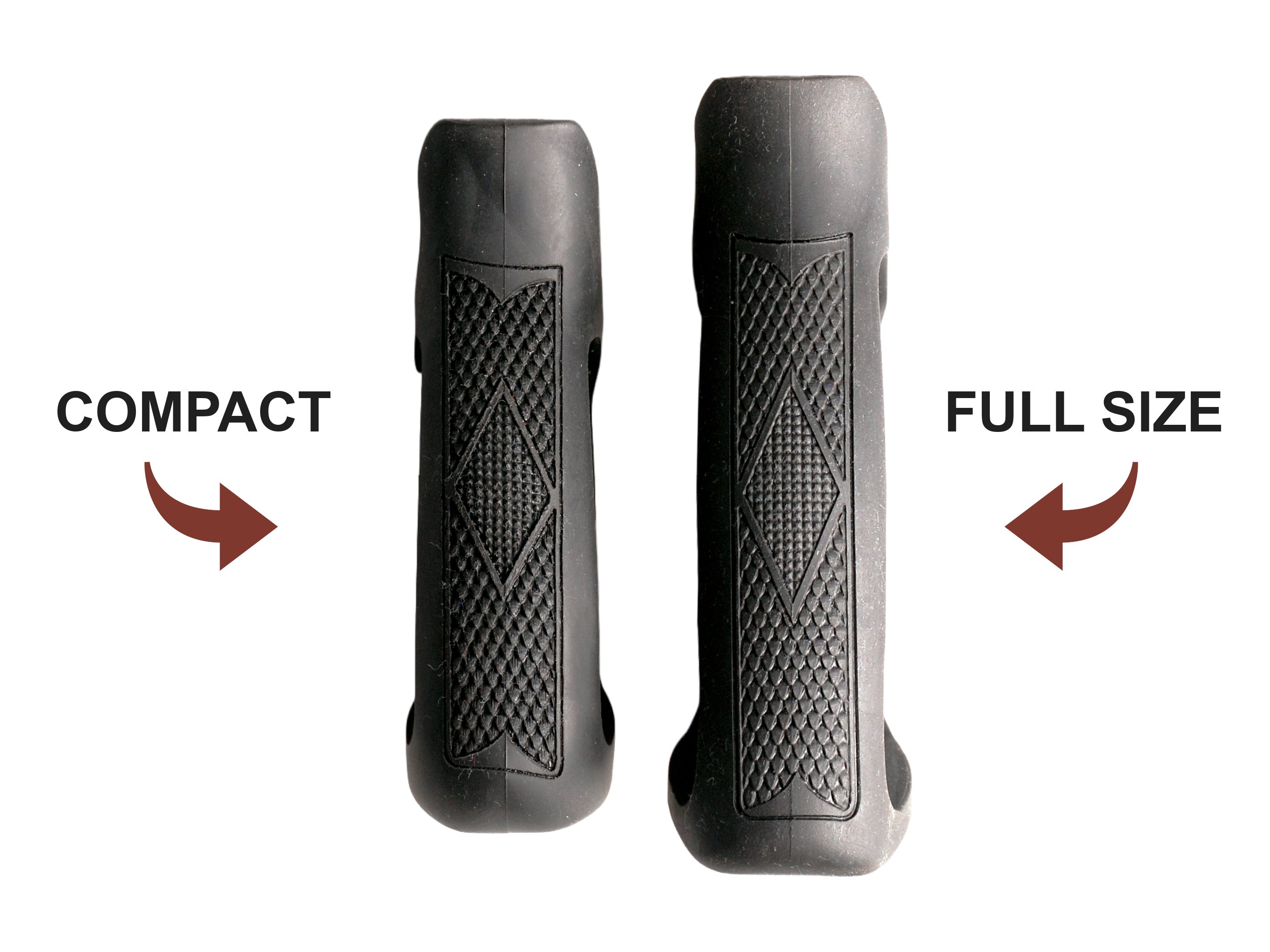
The Importance of Choosing the Right Handhold in Sports
When participating in sports, the importance of choosing the right handhold cannot be overstated. A proper handhold allows athletes to effectively control their movements and execute techniques with precision. For example, in climbing, selecting the appropriate handhold can significantly affect one's stability and speed. A firm grip enhances confidence, enabling athletes to focus on their performance and avoid unnecessary injuries. Whether it's a basketball player gripping a ball or a gymnast holding onto a beam, the right handhold is crucial for maintaining balance and achieving optimal results.
Moreover, the right handhold can influence an athlete's overall performance and strategy during competition. In sports such as tennis or golf, the grip directly affects swing mechanics and ball control. Athletes often experiment with various handholds to find one that aligns with their individual strengths and playing style. Additionally, different weather conditions and equipment can necessitate adjustments in handhold, making it essential for athletes to remain adaptable. Ultimately, investing time to understand and practice proper handholds not only enhances performance but also contributes to the longevity of an athlete's career.
Counter-Strike is a popular tactical first-person shooter that has captivated gamers since its release. Players compete in teams, taking on the roles of terrorists or counter-terrorists in various scenarios. For those enhancing their gaming setup, consider the Top 10 magsafe accessories to improve your experience. The game emphasizes teamwork, strategy, and skill, making it a favorite in the competitive gaming community.
5 Essential Tips for Perfecting Your Grip Technique
Perfecting your grip technique is crucial for enhancing performance in various sports and activities. Whether you're lifting weights, playing racquet sports, or climbing, having a strong grip can greatly affect your results. Here are 5 essential tips to help you master this fundamental skill:
- Focus on Finger Placement: The way you position your fingers can significantly impact your grip. Ensure your fingers are evenly spread and placed securely around the object to maximize control.
- Practice Grip Strength Exercises: Incorporate exercises like dead hangs, farmer's walks, and wrist curls into your routine to improve overall grip strength.
- Use the Correct Grip Technique: Depending on the activity, different grip styles (such as overhand or underhand) may be more effective. Experiment to see what works best for you.
- Stay Relaxed: Tension in your hands and forearms can hinder your performance. Practice staying relaxed while maintaining a firm grip to improve both endurance and control.
- Assess Your Equipment: Ensure that your equipment, whether it’s a racket, weights, or climbing gear, is suited to your grip. The right fit can enhance your technique and comfort.
How Do Different Handholds Affect Your Performance?
When it comes to rock climbing or bouldering, the handhold you choose can significantly influence your performance and techniques. Different handholds, such as crimps, slopers, and pinches, require specific grip strength, finger dexterity, and body positioning. Crimps, which are typically short and require a tight grip, may enhance your control on precise, technical routes. In contrast, slopers demand a wider grip and more body tension, making them more challenging but also beneficial for overall strength training. Understanding the distinctions between these handholds will help climbers adapt their approach and master various climbing styles.
Moreover, utilizing the correct handhold in the right context can lead to improved efficiency and reduced fatigue. For instance, employing a pinch grip on an appropriately sized hold can maximize your contact area and distribute weight effectively, while a wrong choice may strain your fingers or wrists. Each handhold type presents unique challenges, and mastering them is essential for climbing performance. Regular practice with different handholds not only enhances grip strength but also develops crucial climbing skills, allowing climbers to tackle more complex routes with confidence.