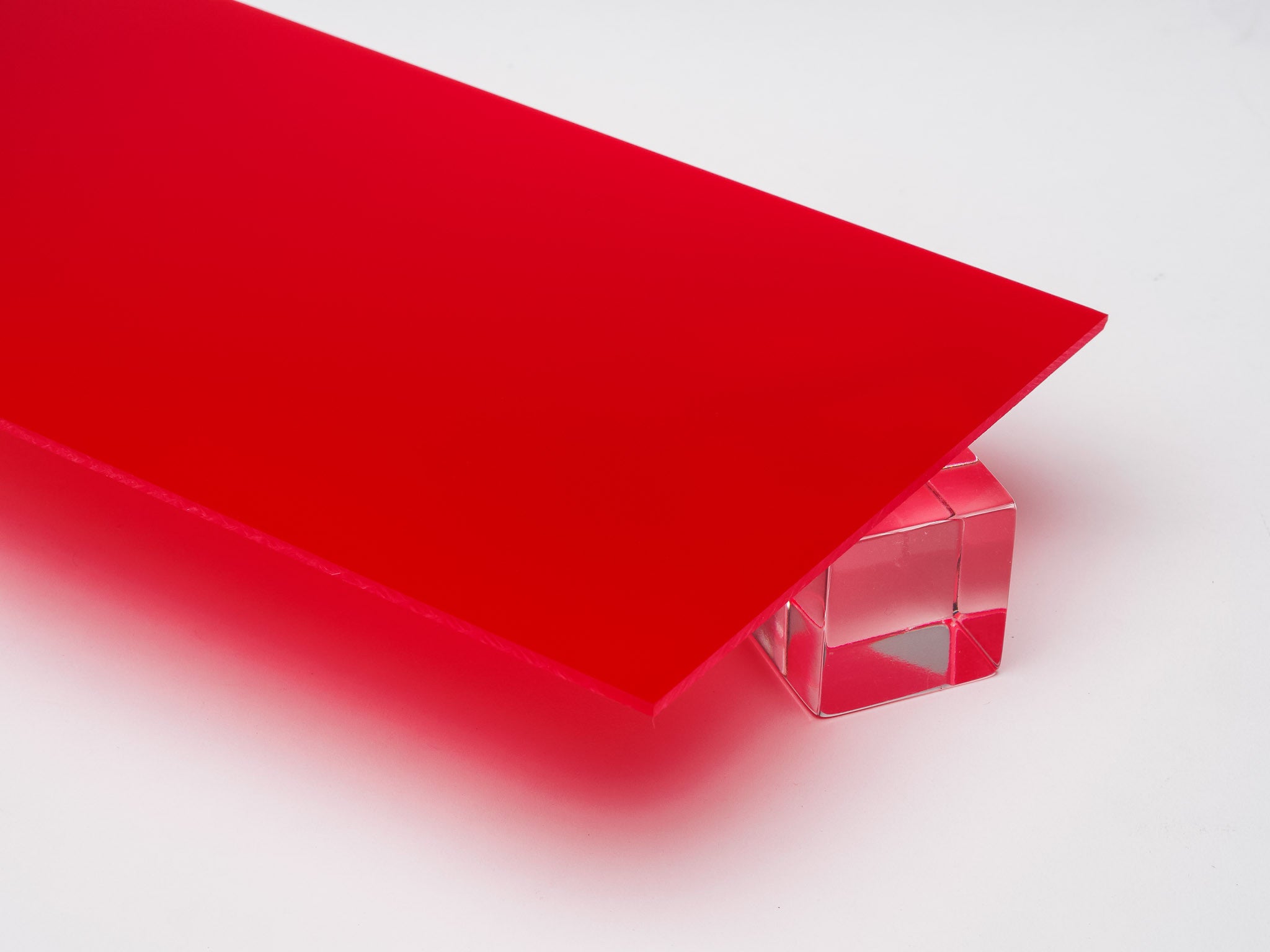
Exploring the Aesthetic Appeal of Translucent Materials in Modern Design
The use of translucent materials in modern design offers a unique aesthetic appeal that transforms spaces and objects in captivating ways. These materials, such as frosted glass, acrylic, and certain types of plastics, allow light to filter through while maintaining a sense of privacy and softness. By incorporating translucent materials into various design elements, from architectural facades to home decor items, designers can create an ambiance that feels airy and open, yet still intimate. Their versatility enables them to be used in various applications, enhancing both functionality and beauty.
Moreover, the ability of translucent materials to interact with light creates dynamic visual effects that change throughout the day. As natural light shifts, these materials can cast beautiful shadows and reflections that add depth and texture to any space. For instance, a translucent panel in a room can transform a stark interior into a warm, inviting environment, showcasing the interplay between material and light. The growing popularity of these materials in contemporary design underscores a collective appreciation for aesthetics that harmonize simplicity with sophistication.
Counter-Strike is a highly popular first-person shooter game that has captivated gamers around the world. Players engage in team-based gameplay, where they can choose to play as terrorists or counter-terrorists, each with different objectives.
In addition to gaming, you might want to check out the Top 10 iPhone Air Cases to protect your device as you enjoy your gaming sessions. The tactical gameplay and strategy elements make Counter-Strike a classic in the gaming community.
How Translucent Design Innovations Are Transforming Interior Spaces
Translucent design innovations are increasingly shaping the way we conceptualize and create interior spaces. By integrating materials such as glass, acrylic, and other semi-transparent substances, designers can enhance the flow of natural light, create a sense of openness, and even improve functionality. This approach not only adds aesthetic value but also promotes sustainability by reducing the need for artificial lighting during daylight hours. The clever use of translucency can delineate spaces, offering privacy while maintaining visibility, making it particularly popular in modern office environments and urban apartments.
Moreover, the versatility of translucent materials enables a variety of styles, from minimalist to eclectic interiors. Designers are utilizing these innovations to create eye-catching features such as partitions, light fixtures, and furniture that play with light and shadow. For instance, translucent glass dividers can replace traditional walls, providing an airy feel while also serving acoustic purposes. Moreover, as technology advances, innovations like smart glass are allowing for dynamic space adaptation, where the level of transparency can be adjusted to suit different needs. This evolution is not just about visual appeal; it's about crafting environments that enhance the overall living and working experience.
What Makes Translucent Design So Alluring?
Translucent design captivates users by blending functionality with aesthetic appeal. Its ability to layer elements allows for a unique interaction between background and foreground components, creating a sense of depth that traditional designs often lack. This layering can lead to a more engaging user experience, making navigation feel intuitive and fluid. Designers achieve this effect through the use of semi-transparent materials, gradients, and soft shadows, all of which contribute to a modern visual language. Furthermore, translucent design can highlight important content by subtly guiding users' focus without overwhelming them.
Another reason translucent design is so alluring is its emphasis on harmony and clarity. By reducing visual clutter and allowing users to see multiple layers of information, designers can ensure that every element is purposeful and contributes to the overall narrative. This approach encourages a minimalist aesthetic, which resonates well with contemporary users seeking simplicity and efficiency. As we move towards a more digital-centric world, the allure of translucent design will likely continue to grow, making it a favored choice for creating interfaces that are not just visually appealing but also highly functional.