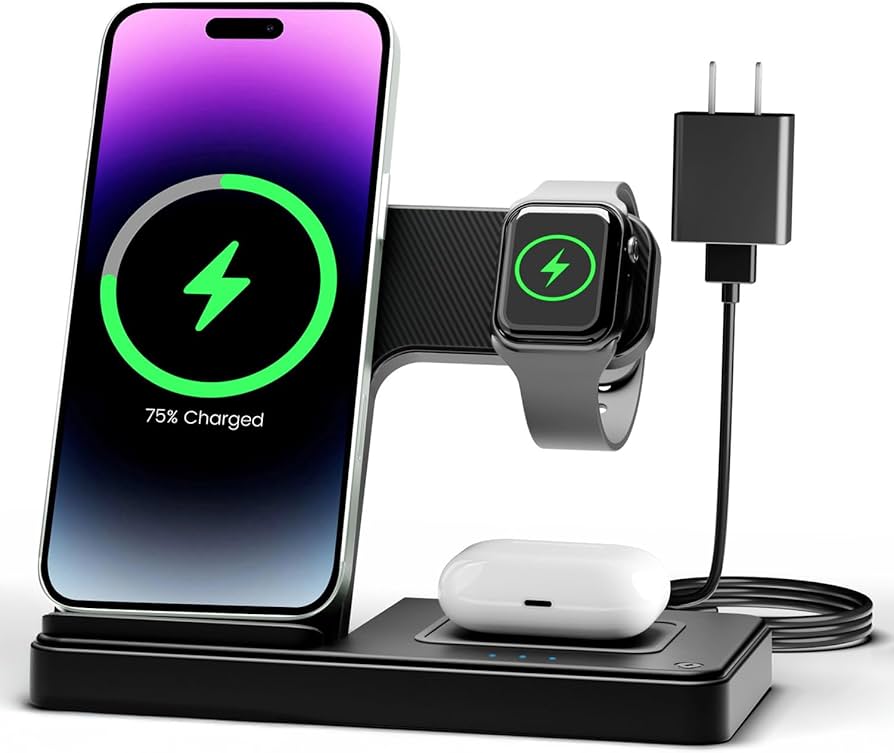
Debunking Common Myths About Fast Charging: What You Need to Know
Fast charging has become a buzzword among consumers, leading to various misconceptions about how it works and its impact on devices. One common myth is that using a fast charger will permanently damage your device's battery. While it's true that heat can affect battery health, modern smartphones are designed with built-in mechanisms to manage power intake and regulate temperature. This means that if your device supports fast charging, it is also equipped to handle it safely, ensuring that a quick boost of power won't compromise battery longevity.
Another prevalent myth is that all fast chargers are created equal. Not every fast charging technology is the same; different manufacturers use various protocols, which can lead to compatibility issues. For instance, a charger compatible with one brand might not deliver optimal performance on another. Always refer to your device’s specifications to find a suitable charger. Additionally, it’s a misconception that using fast charging constantly will drain your battery faster; in reality, fast charging is designed to be efficient and minimizes charging time without excessive wear and tear.
Counter-Strike is a highly popular first-person shooter game that has shaped the esports landscape since its release. Players compete in teams, taking on roles such as terrorists and counter-terrorists, to complete objectives or eliminate the opposing team. For those looking to enhance their gaming setup, consider exploring the Top 10 Tech Essentials to elevate your gaming experience.
The Science Behind Charging: How Different Methods Affect Your Devices
Charging technologies have evolved significantly over the years, with various methods impacting how our devices absorb power. The most common charging methods include wired, wireless, and fast charging. Each method operates on different principles—wired charging typically transfers power through a physical connection, allowing for faster energy transfer rates, while wireless charging employs electromagnetic induction, which can be less efficient. In order to understand how these methods affect device performance, it's crucial to consider factors such as power output and charging speed.
Moreover, the efficiency of these charging methods can lead to varying degrees of battery health over time. For instance, fast charging may deliver more power quickly, but it can also generate excess heat, potentially reducing battery lifespan. In contrast, wired charging often provides more consistent power delivery at lower temperatures, promoting better battery longevity. Understanding these nuances can help users make informed choices about which charging method to use, thus optimizing their device's performance and lifespan.
Is Overnight Charging Harmful? Understanding Battery Health and Lifespan
Many smartphone users often plug their devices in overnight, raising concerns about whether overnight charging is harmful to battery health. Modern lithium-ion batteries are designed to handle being charged overnight; however, this practice can still lead to decreased battery lifespan over time. When fully charged, devices typically enter a maintenance mode to prevent overcharging, but staying at 100% can result in increased heat and stress on the battery, affecting its long-term performance.
To mitigate potential risks associated with overnight charging, it's advisable to adopt some best practices. For instance, using a quality charger can ensure that the device receives the correct voltage and current, reducing the risk of overheating. Additionally, consider enabling features like battery optimization settings that limit charging to a certain percentage during the night. By following these tips, users can help preserve their device's battery lifespan while enjoying the convenience of overnight charging.